Published on Monday, 10 November 2025 at 9:54:45 AM
Fight the Bite campaign
Western Australia’s Fight the Bite campaign helps communities stay safe from mosquitoes and March flies by promoting simple prevention steps to reduce bites, limit breeding around homes and holiday spots, and minimise the spread of mosquito-borne diseases. With the emergence of Japanese encephalitis virus (JEV) in WA, new resources have been developed to raise awareness and support local health promotion efforts. Fight the Bite has also expanded to include advice on avoiding March fly bites. Explore the resources below to learn how you can help Fight the Bite in your community.
Shire of Gnowangerup's Mosquito Plan
The Shire of Gnowangerup is very aware that mosquitos can become a nuisance disrupting people’s outdoors lifestyles and may cause disease.
The Shire is also aware that mosquitos are a part of our natural environment and may breed in the natural tributaries associated with Gnowangerup, Warperup and Ongerup Creeks, and in small manmade water sources on commercial and residential properties.
The Shires Mosquito Management Plan (MMPlan) looks to develop ways to minimize the nuisance and reduce the public health risk associated with mosquitoes.
The plan being developed for mosquito management looks to apply a balanced approach, based on information, protections and controls for the community, and identification, monitoring and management of breeding sites with appropriate controls.
This approach is also adaptive, because of the variations in the weather and environmental conditions, the controls are applied with the understanding that mosquitos are part of our natural environment and can’t be totally eliminated.
A key part of the Shires management plan is to refer to the Department of Health mosquito management team and to relate to other Local Governments to inform its approach.
The Shire is currently applying controls that disrupt breeding cycles while monitoring and mapping seasonal breeding sites in key localities. The MMPlan is adaptive and looks at reducing overall mosquito numbers by applying both short and medium-term controls, that include information for our communities, mechanisms to reduce breeding sites and applying site specific controls to disrupt breeding cycles.
Mosquitos
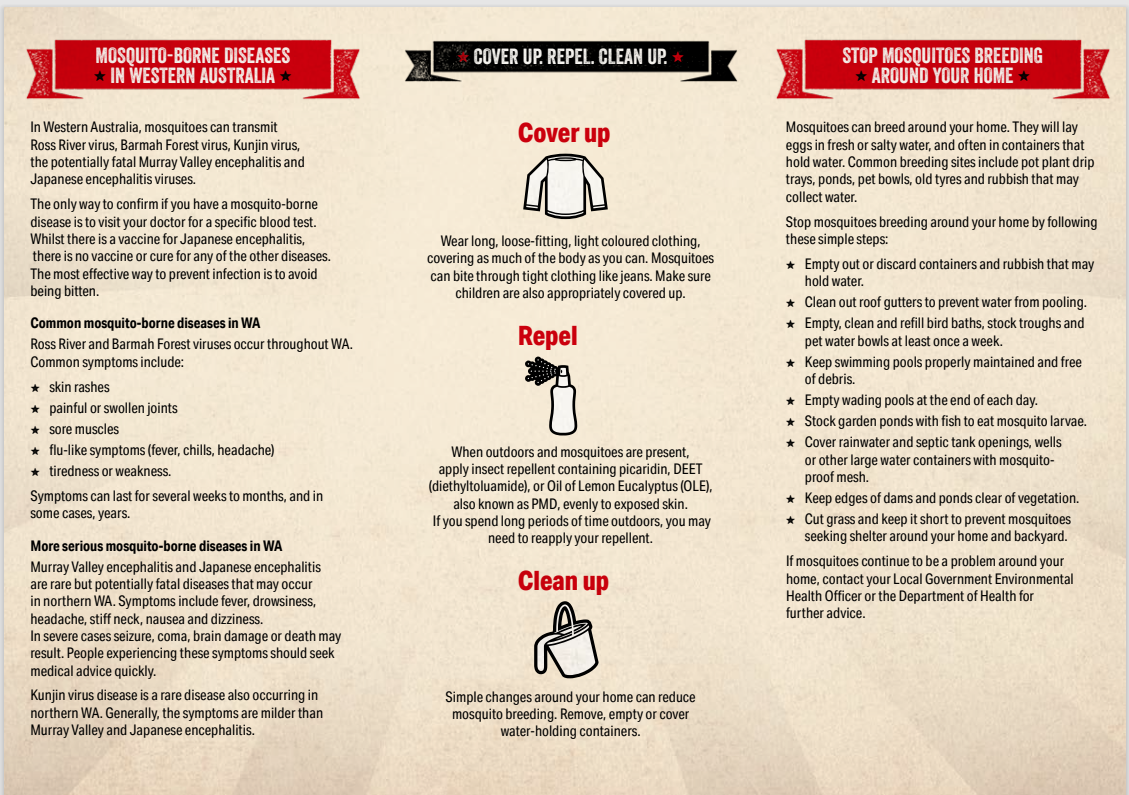
- In Western Australia, mosquitoes can transmit Ross River virus, Barmah Forest virus and Kunjin virus, as well as the potentially fatal Murray Valley encephalitis and Japanese encephalitis viruses (JEV).
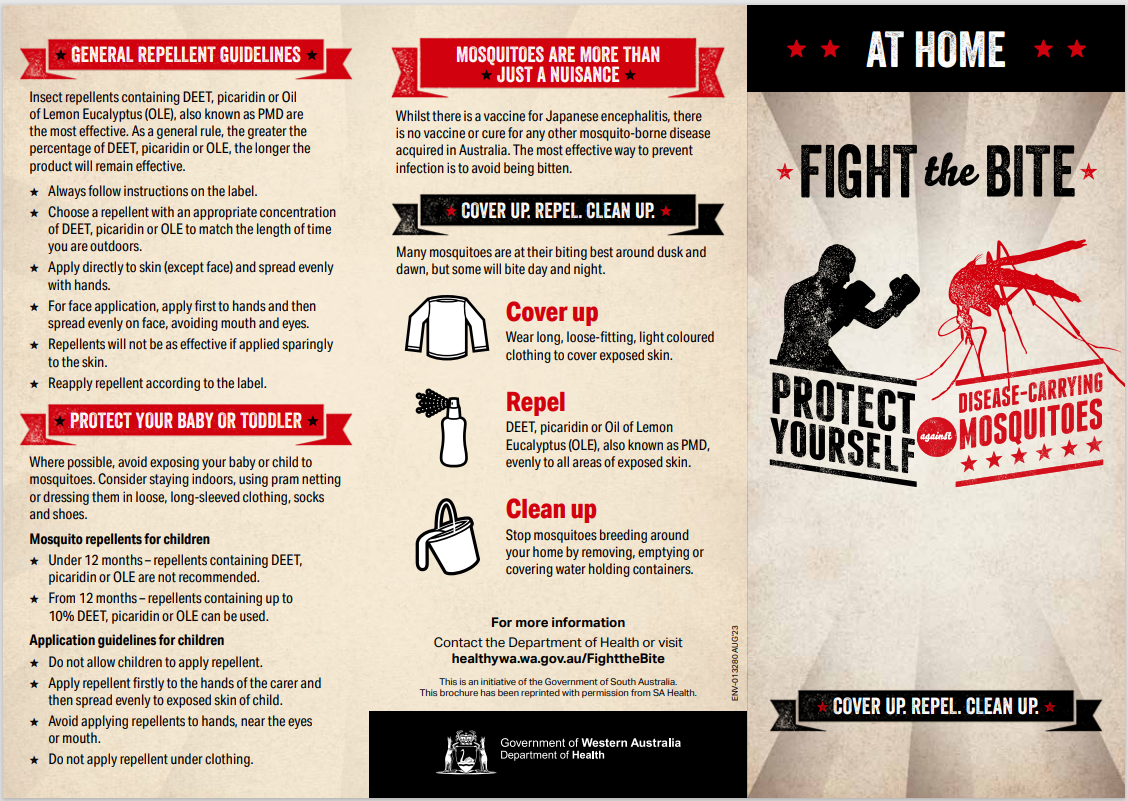
- Whilst there is a vaccine for JEV, there is no vaccine or cure for any of the other mosquito-borne disease acquired in WA.
- The JEV vaccine does not provide protection against other serious mosquito-borne diseases, including Murray Valley encephalitis.
- The most effective way to prevent infection is to avoid being bitten by mosquitoes.
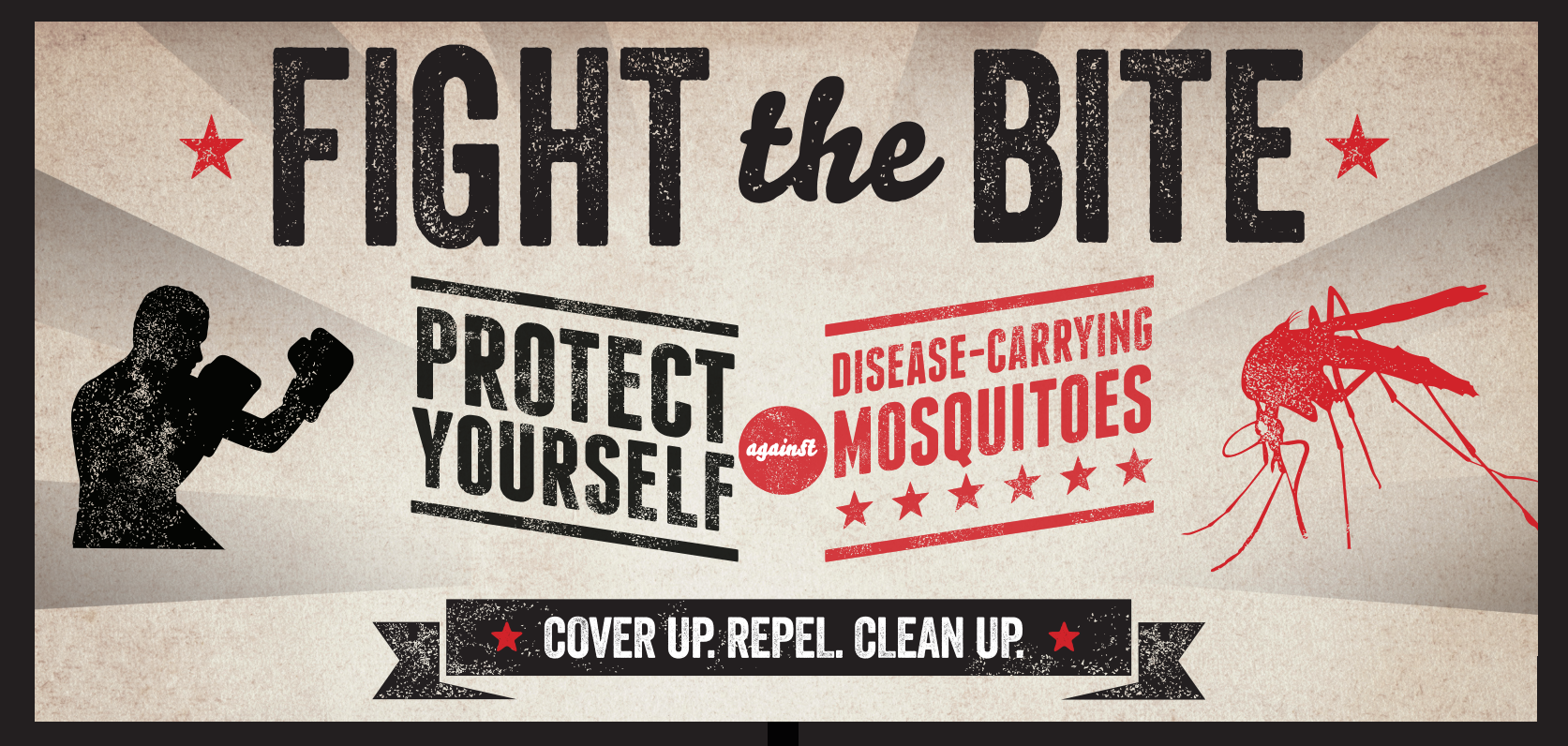
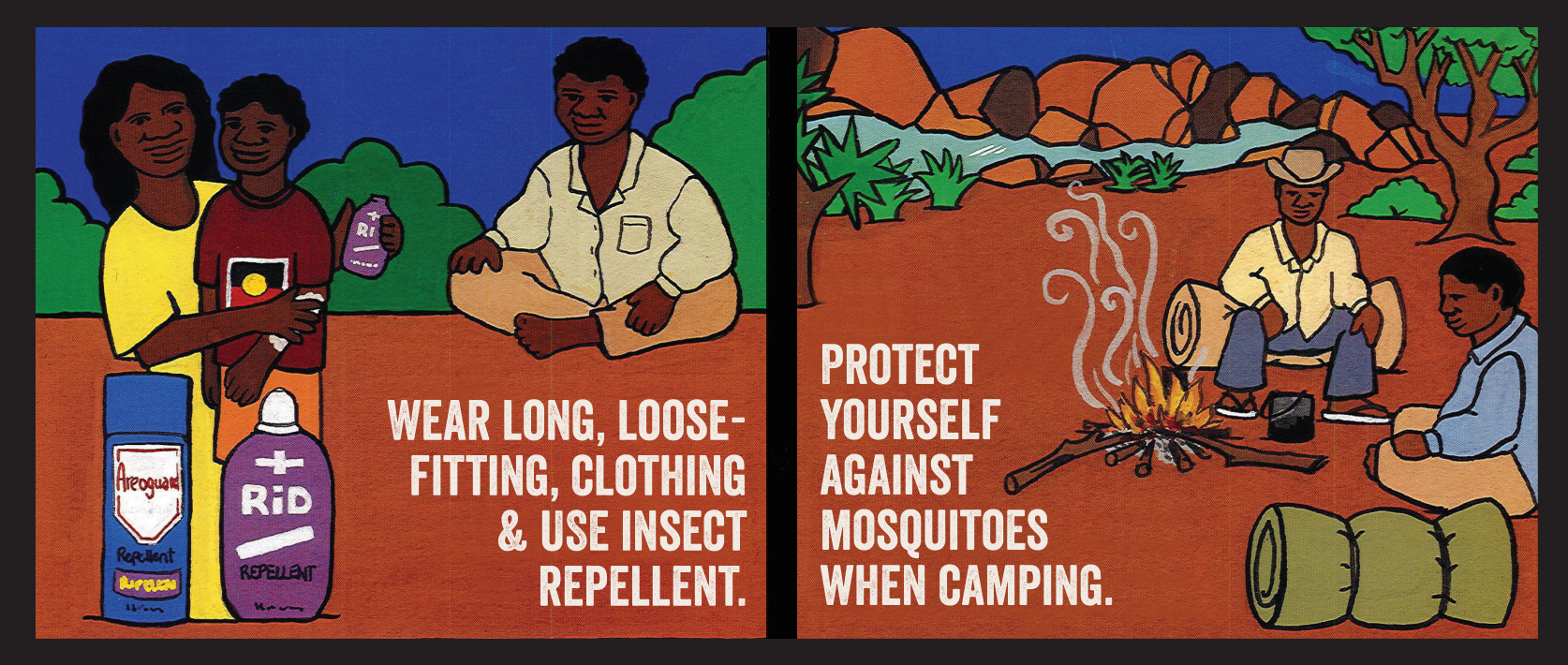
- Cover Up – wear long, loose-fitting, light coloured clothing, covering as much of the body as you can.
- Repel – apply an effective insect repellent containing DEET (diethyltoluamide), picaridin or Oil of Lemon Eucalyptus (OLE, also known as PMD) evenly to exposed skin.
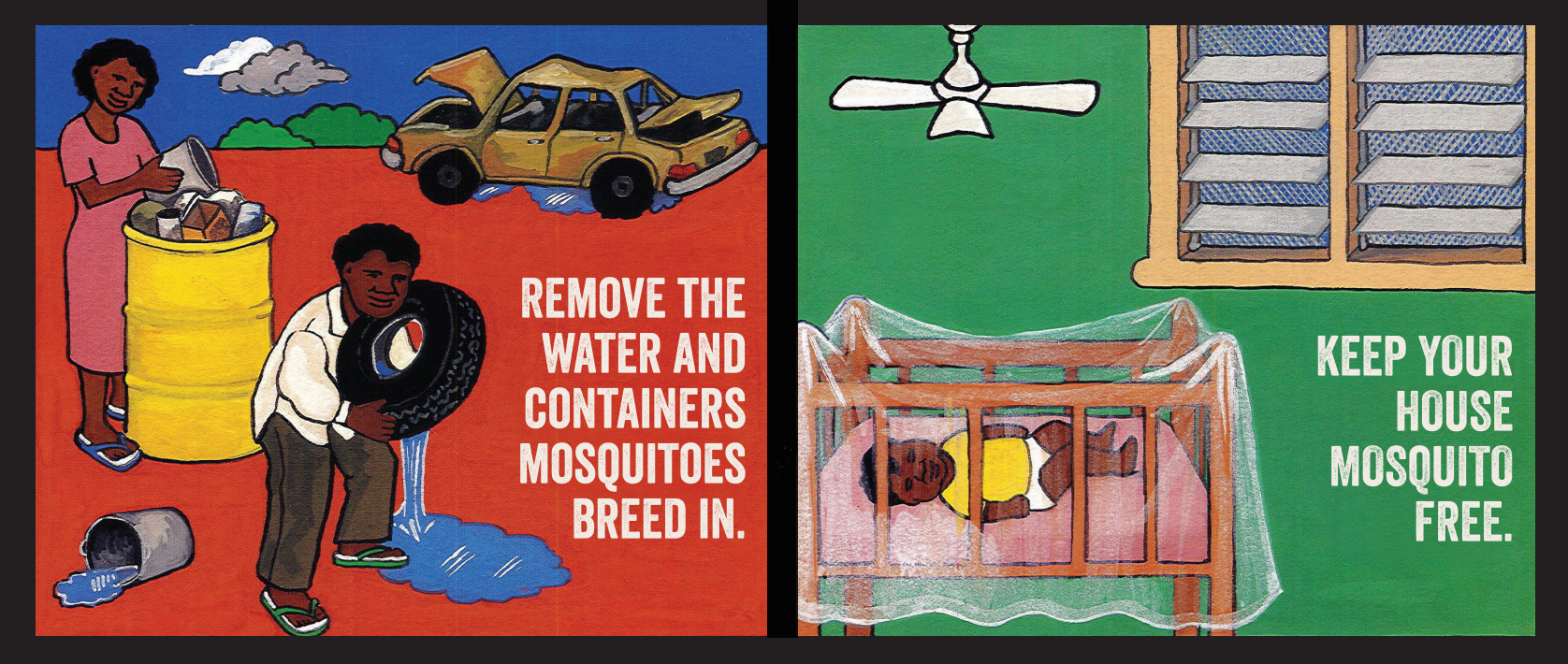
- Clean Up – remove, empty or cover water-holding containers. Keep your grass short to stop mosquitoes hanging around your home.
March Flies
- March flies can be a serious pest to humans, livestock and domestic animals.
- March flies are not known to transmit diseases to people or livestock in Australia, however, their bite can cause serious allergic reactions and anaphylaxis.
- Cover Up – wear long, loose-fitting, light coloured clothing, covering as much of the body as you can. Avoid blue and other dark colour clothing which are known to attract March flies.
- Repel – apply an effective insect repellent containing DEET (diethyltoluamide), picaridin or Oil of Lemon Eucalyptus (OLE, also known as PMD) evenly to exposed skin.
For more information follow the Shire on social media or visit Fight the Bite campaign
Back to All News